
Understanding Sensitive Skin and How to Treat It
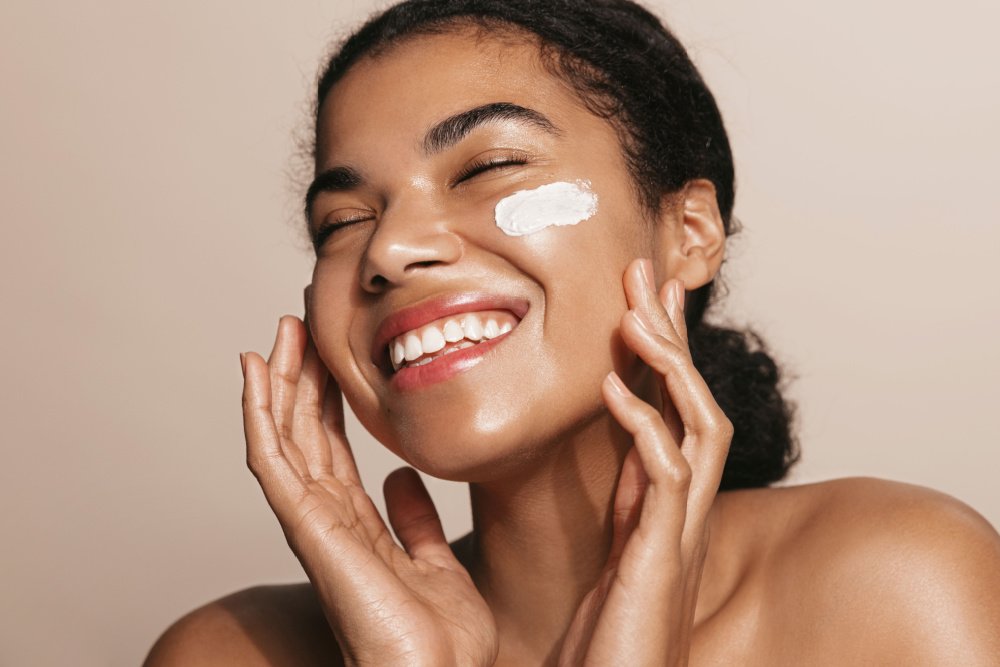
Does your face sting when you apply certain lotions? Do you turn red at the slightest change in weather? If so, you are not alone. Sensitive skin is one of the most common complaints we hear at Studio 16. It can be frustrating, uncomfortable, and sometimes embarrassing.
Living with reactive skin often feels like walking through a minefield. You never know which product or environmental factor will set off a flare-up. One day your skin is calm, and the next, it is itchy, tight, or inflamed.
The good news is that sensitivity doesn’t have to be a permanent state of distress. With the right knowledge and a gentle approach, you can rebuild your skin’s defenses and find relief.
In this guide, we will explore why your skin reacts the way it does, identify common triggers, and discuss how personalized treatments can help you achieve the calm, healthy complexion you deserve.
What Does “Sensitive Skin” Actually Mean?
“Sensitive skin” is a broad term used to describe skin that is easily irritated by factors that are generally tolerated by normal skin. It is not a clinical diagnosis in itself, but rather a symptom of an underlying issue—usually a compromised skin barrier.
Think of your skin barrier (the stratum corneum) as a brick wall. The skin cells are the bricks, and the lipids (fats) are the mortar holding them together. This wall keeps moisture in and irritants out. When this barrier is weak or damaged, the “mortar” breaks down. This allows moisture to escape, leading to dryness, and lets irritants penetrate deeper into the skin, causing inflammation.
Symptoms can vary from person to person but typically include:
- Redness or flushing
- Stinging or burning sensations
- Itching or tightness
- Dryness and flaking
- Rough texture
- Breakouts or rashes
Common Causes and Triggers
Understanding what sets off your skin is the first step toward calming it. Triggers can be internal or external, and often, it is a combination of both.
1. Genetics and Conditions
Some people are simply born with a thinner skin barrier or a genetic predisposition to sensitivity. Conditions like eczema (atopic dermatitis), rosacea, and psoriasis are chronic inflammatory issues that make skin inherently more reactive. If you have fair skin, you may also be more prone to visible redness and irritation.
2. Environmental Factors
Your environment plays a huge role in your skin’s health.
- Weather: Extreme temperatures—both hot and cold—can strip the skin of moisture. Wind and low humidity are also major culprits.
- Sun Exposure: UV rays damage the skin barrier and trigger an inflammatory response (sunburn).
- Pollution: Dust, exhaust, and other airborne particles can settle on the skin and cause oxidative stress.
3. Lifestyle and Habits
How you treat your body often shows up on your face.
- Diet: Spicy foods, alcohol, and high-sugar diets can trigger flushing and inflammation, especially in those with rosacea.
- Stress: High stress levels release cortisol, a hormone that can increase oil production and inflammation, worsening skin sensitivity.
4. Incorrect Skincare Products
Ironically, the products we use to improve our skin are often the biggest source of irritation.
- Over-exfoliation: Scrubbing too hard or using strong acids too frequently strips away the protective barrier.
- Fragrance and Dyes: Artificial scents and colors are among the most common allergens in skincare.
- Harsh Cleansers: Soaps containing sulfates (like SLS) can be too drying, disrupting the skin’s pH balance.
Practical Tips for Managing Sensitive Skin
If you are stuck in a cycle of irritation, it is time to simplify. Here are practical steps to soothe your skin at home.
Patch Test Everything
Before applying a new product to your face, test it on a small patch of skin behind your ear or on your inner arm. Wait 24 hours to see if any reaction occurs. This small step can save you days of discomfort.
Check Your Ingredients
Learn to read labels. Look for soothing ingredients like:
- Ceramides: Help repair the skin barrier.
- Hyaluronic Acid: Hydrates without irritation.
- Aloe Vera: Calms inflammation.
- Niacinamide: Reduces redness and strengthens the barrier.
Avoid known irritants like high concentrations of alcohol, synthetic fragrances, and essential oils like peppermint or citrus, which can be sensitizing.
Simplify Your Routine
Less is more. A complicated 10-step routine increases the likelihood of a reaction. Stick to the basics: a gentle, creamy cleanser, a barrier-repairing moisturizer, and mineral sunscreen. Mineral sunscreens (containing zinc oxide or titanium dioxide) sit on top of the skin rather than absorbing into it, making them less irritating than chemical filters.
Watch Your Water Temperature
Hot water strips natural oils from your skin faster than lukewarm water. Wash your face and shower with tepid water to prevent drying out your skin barrier.
Professional Treatments for Sensitive Skin at Studio 16
Many people with sensitive skin are terrified of professional treatments. They worry that a facial will leave them red, raw, or swollen. While this can happen with aggressive procedures, the right treatments can actually strengthen sensitive skin.
At Studio 16, Manjinder Aulakh specializes in treating reactive skin. We don’t believe in a “no pain, no gain” philosophy. Instead, we focus on rebuilding your skin’s health gently and effectively.
Here are some of the safe, soothing options available at our Abbotsford studio:
1. Red LED Light Therapy
This is one of the best treatments for sensitive skin. It is non-invasive, painless, and produces no heat. Red light wavelengths penetrate the skin to stimulate cellular repair and reduce inflammation. It calms redness, accelerates healing, and strengthens the skin over time. It is like a soothing hug for angry skin.
2. The Green Peel® (Fresh Up or Energy)
While the “Classic” Green Peel is a deep resurfacing treatment, the lighter versions—”Fresh Up” and “Energy”—are fantastic for sensitive skin. Unlike chemical peels that use acids to burn off dead skin, the Green Peel uses natural herbs. It stimulates circulation and metabolism without stripping the barrier. It is an excellent way to refresh dull skin without the risk of chemical irritation.
3. Customized Barrier-Repair Facials
We offer bespoke facials designed specifically to hydrate and heal. We use hypoallergenic products free from harsh fragrances and active acids. These treatments focus on infusing the skin with cooling, hydrating ingredients to restore the lipid barrier and reduce tightness.
4. Cryotherapy for Inflammation
Controlled cooling can be incredibly soothing for inflamed skin. Our specialized treatments can help constrict blood vessels to reduce flushing and heat in the skin, providing immediate relief for conditions like rosacea.
The Studio 16 Difference: Personalized Care
The most important “treatment” for sensitive skin is expertise. You need a professional who understands the nuance of reactive skin types.
Manjinder Aulakh brings over a decade of experience to Studio 16. She understands that sensitive skin requires a delicate touch and a customized approach. There is no cookie-cutter protocol here.
When you come in for a consultation, we take the time to investigate your specific triggers. We look at your current routine, your lifestyle, and your skin history. We then build a plan that respects your skin’s limits while gently pushing it toward better health.
We guide you on exactly what products to use at home and what to avoid, taking the guesswork out of your daily routine.
Reclaim Your Comfort
Living with sensitive skin doesn’t mean you have to give up on results or anti-aging benefits. It just means you need to take a different path to get there—one that prioritizes barrier health and gentle care.
If you are tired of trial and error, let us help you find stability.
Book a consultation with Manjinder at Studio 16 today and start your journey to calm, resilient skin.

Leave a Reply